Nature Notes - June 2026
Sickleholme Nature Notes
After a good spell in late May, the weather stalled as June began with a jet stream that produced low pressure and plenty of rain. What followed was little short of a transmogrification as heatwave conditions saw new record temperatures. Within days, our Oaks and Horse Chestnuts were showing signs of fruits.
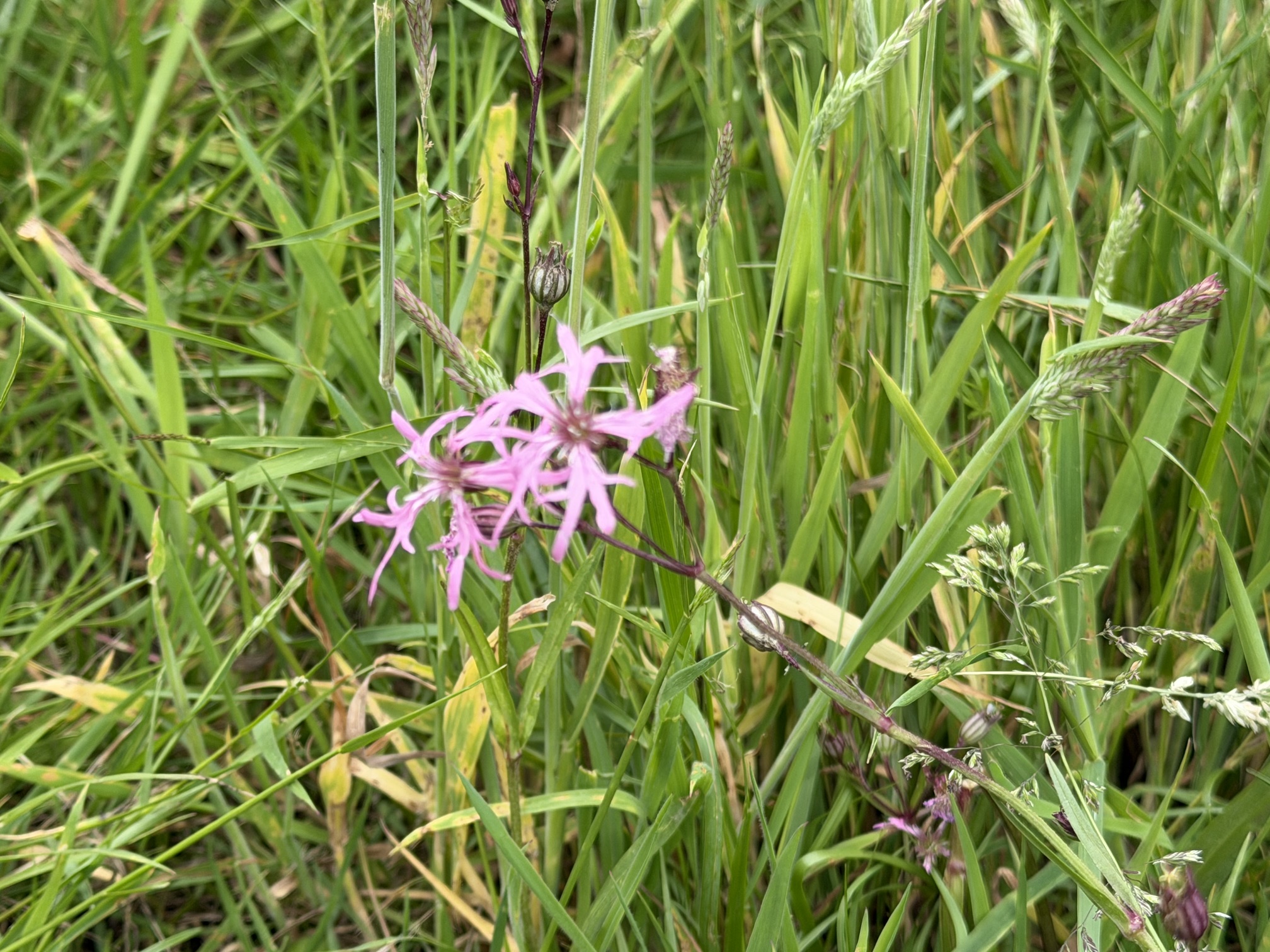
Wildflowers featured well during the month Oxe-eye Daisies seemed everywhere, with the East Field a riot of colour, a Great Mullein greeted all crossing the bridge on the 9th, and by the end of the month the bright purple Betony was well in evidence and the first Harebells had appeared. Paul Ince found a Ragged Robin (see photo) in a patch near the 8th hole hedge where a wildflower mix had been spread several years back. Sadly, the area succumbed to the strimmers and a sharp “haircut” but a more tolerant approach seems to have worked well for this year.
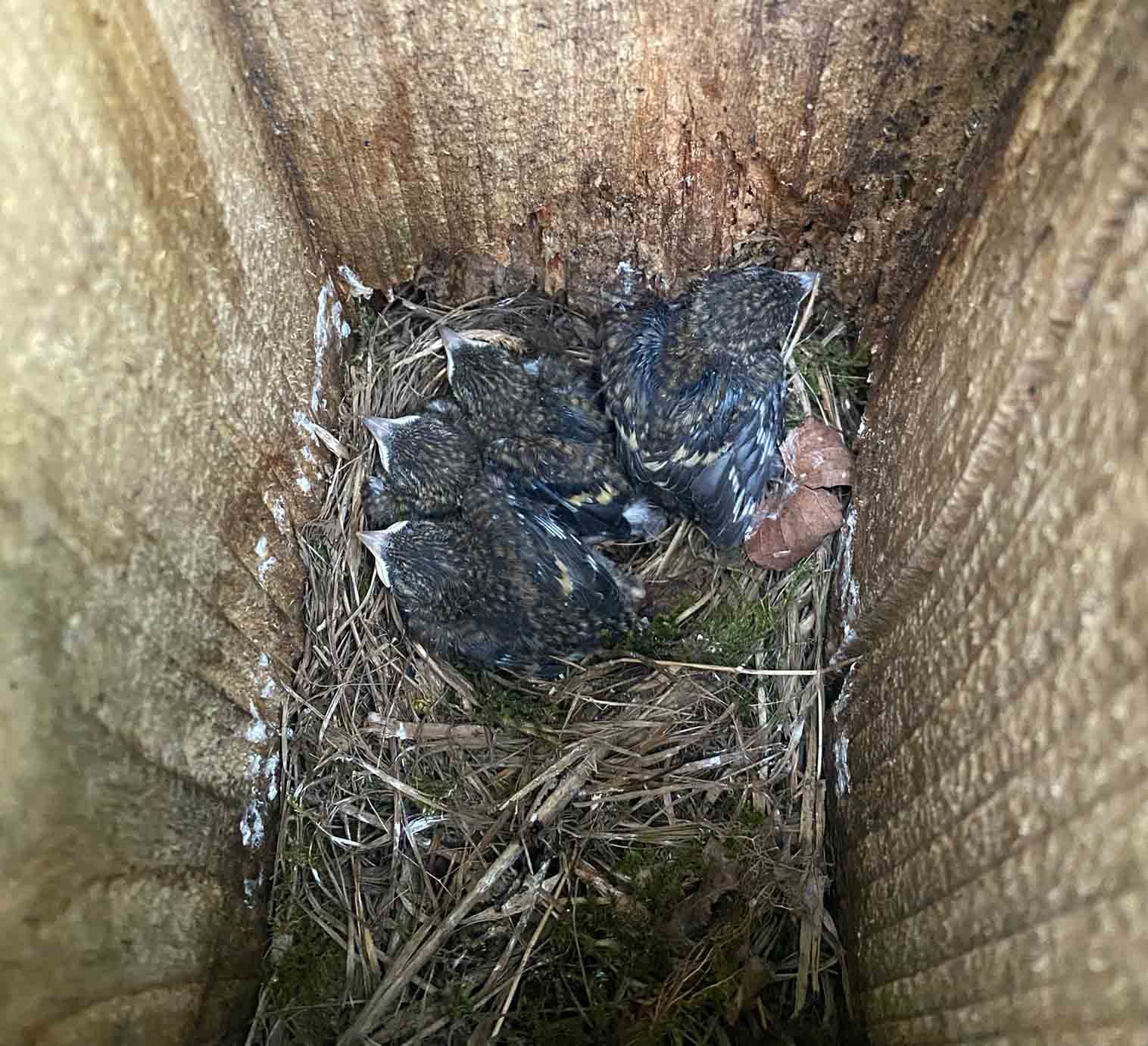
The Pied Flycatchers (given star billing last month) hatched four of their eggs and at the appropriate time the nestlings (see Alan Kydd’s photo) were ringed. Matt reported a Robin on eggs in the side wall of the workshop, several members reported Red Kites, young Jays were heard calling, and Mistle Thrushes were regular. Paul Beeson found this month’s star bird, however, when he and others saw a Green Woodpecker on the 10th tee. This species used to be in good numbers on the Longshaw Estate but is much scarcer nowadays.
Alan K provided a final update on the nest boxes results mentioned in last month’s notes. Apart from the flycatchers, Great Tits raised 43 young and Blue Tits 38 young. Both figures are around average for our boxes.
I picked up some concerns about the work on the barn, but I am assured that the building was checked for owls and bats, and I do know that the Pied Wagtails that breed there had already fledged with the young birds feeding on fairways. David Haywood reported two Brown Hares, and more butterfly species emerged. There was a good hatch of Meadow Browns, a number of Ringlets, and occasional sightings of Painted Lady as well as the earlier species. It was interesting to read that butterflies can struggle to fly in the extreme heat recorded, having an optimum maximum temperature of 23c.
There was some interesting sightings of day flying moths at the month end and I will prepare some background on those for next month’s notes.
Bryan Barnacle