

A Heritage Forged in the Peak District
The History of Sickleholme Golf Club
From 1898 to the Present Day
The Beginning 1898-1905
For more than 125 years, Sickleholme Golf Club has been an important part of the Hope Valley, welcoming generations of golfers to enjoy one of Derbyshire's most scenic and historic courses.
From its foundation in 1898, the Club has grown from a modest nine-hole course into the thriving golf club we know today. Along the way it has witnessed remarkable change, from the influence of world-renowned course architects and the construction of the present clubhouse, to periods of war, expansion and continual improvement. Throughout it all, the spirit of the Club and the dedication of its members have remained at the heart of its success.
This history has been brought together using original club records, historic photographs, architectural drawings, newspaper reports, committee minutes and other archive material, creating a comprehensive record of Sickleholme's remarkable journey from its earliest days to the present.
More than a timeline of events, these pages celebrate the people who have shaped the Club over the past century and a quarter. Founders, captains, presidents, professionals, members, volunteers and staff have all played their part in creating the welcoming club and beautiful course enjoyed today.
As you explore this history, you'll discover the stories behind the Club's beginnings, the influence of Harry Colt, the clubhouse that was proposed but never built, the challenges of the wartime years, the construction of the modern clubhouse, the achievements of outstanding golfers and professionals, and the continual evolution of both the course and the Club itself.
We hope this history not only preserves the rich heritage of Sickleholme Golf Club but also provides an appreciation of those whose vision, commitment and passion have ensured the Club continues to flourish for future generations.
1898-1905
The Birth of Sickleholme Golf Club
A Vision in the Hope Valley
In the closing years of the nineteenth century, golf was rapidly growing in popularity across Britain. While courses were being established throughout the country, a group of enthusiasts recognised the potential of the beautiful countryside surrounding Bamford and the Hope Valley to create something rather special.
On 29 October 1898, the first recorded committee meeting of Sickleholme Golf Club was held at the Marquis of Granby Hotel under the presidency of G. H. Cammell. Although golf had been played locally before this date, this meeting marked the formal beginning of the Club as it exists today.
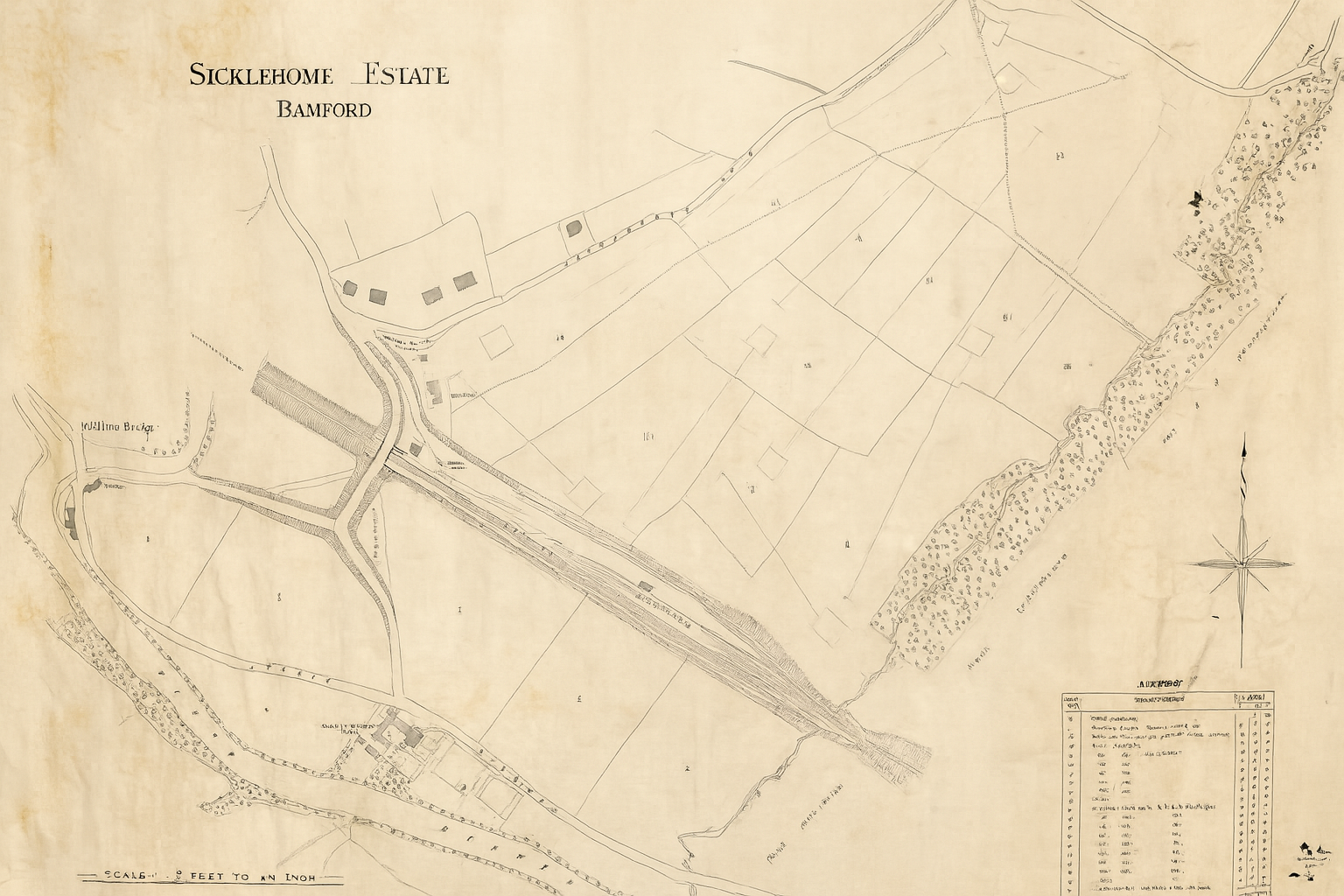
The Club took its name from Sickleholme Farm, the historic property that occupied the land before becoming the home of golf in the valley.
Heritage Fact
Did you know?
Although references to golf at Sickleholme exist before 1898, the earliest surviving committee minutes begin on 29 October 1898, making this the recognised foundation of Sickleholme Golf Club.
The Hope Valley Before Golf
Long before the first fairway was laid out, the land at Sickleholme already possessed a rich history.
For centuries the estate had been worked as farmland by the Hibberson family, while nearby Mytham Bridge crossed the River Derwent until it was swept away in the devastating flood of 1856.
Even older history lies beneath the course. A Roman road once crossed the estate, linking the Roman fort at Navio (Brough) with settlements further east, while the ancient Saltgate packhorse route passed nearby carrying salt from Cheshire across the Peak District.
Today's golfers still walk across a landscape shaped by almost two thousand years of history.
Creating the First Course
The newly formed Club leased land from the Manchester Brewery Company at an annual rent of £20, with work beginning on a modest nine-hole course.
Unlike today's layout, the original course occupied only one side of the valley, making imaginative use of the natural hillside, streams and dramatic changes in elevation.
Although measuring just 2,861 yards, the course quickly earned a reputation for being both challenging and beautifully situated.
The original bogey for the course was 39, later revised to 37, reflecting improvements in both course design and standards of play.
Early Membership
Membership grew steadily during the Club's first few seasons, attracting many prominent business and industrial figures from Sheffield.
Among the early members were representatives of well-known Sheffield families including the Cammells, Firths, Wards, Tyzacks, Flathers, Osbornes and Neills, helping establish Sickleholme as one of the region's leading golf clubs.
Most members travelled by train from Sheffield, arriving at Bamford Station before entering the course through a private railway gate—a feature that remarkably still survives today.
William H. Entwistle – The First Greenkeeper
One of the first employees appointed by the Club was William H. Entwistle, who became the Club's first groundsman and club repairer.
For a weekly wage of 20 shillings, Entwistle was responsible for maintaining the greens "in perfect order" while repairing members' clubs from a small workshop on site.
His work helped establish the high standards of course presentation that remain a hallmark of Sickleholme today.
The First Competitions
Golf quickly became the focus of club life.
Members paid an entrance fee of one guinea, and in April 1899 the Club held its first Monthly Medal competition—beginning a tradition that has continued uninterrupted for more than 125 years.
Competitions, social gatherings and regular committee meetings soon created the friendly atmosphere that continues to define the Club today.
A Course to Remember
The original layout contained several memorable features that older members continued to recall many decades later.
Among them were:
- The opening hole played across what is now the practice ground.
- Wooden steps leading to the second tee.
- A magnificent ash tree guarding the original fifth hole.
- The dramatic descent from Saltergate Lane to the finishing hole.
- Panoramic views across the Hope Valley that remain one of the course's defining characteristics.
Although much has changed since 1898, the landscape that first inspired the Club's founders remains instantly recognisable.
Contemporary Opinion
One of the earliest published descriptions of Sickleholme came in 1912, when golf writer J. H. Stainton described the course as enjoying a popularity "unbeaten by any other club in the district."
He praised both the natural beauty of the Hope Valley and the quality of the golf, recognising Sickleholme as one of the finest inland courses in the region—a reputation it continues to enjoy today.
1905–1920
Growing in Reputation
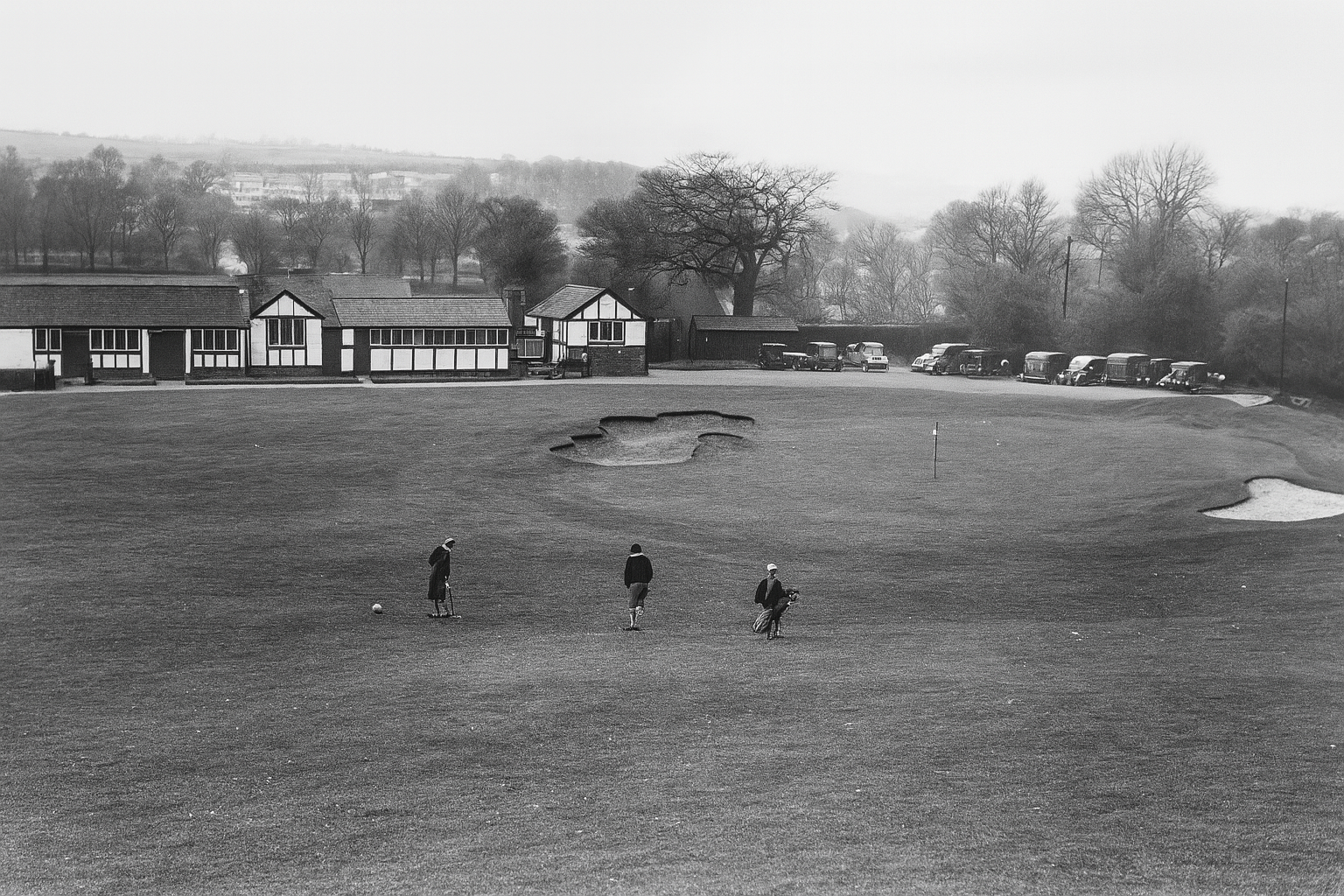
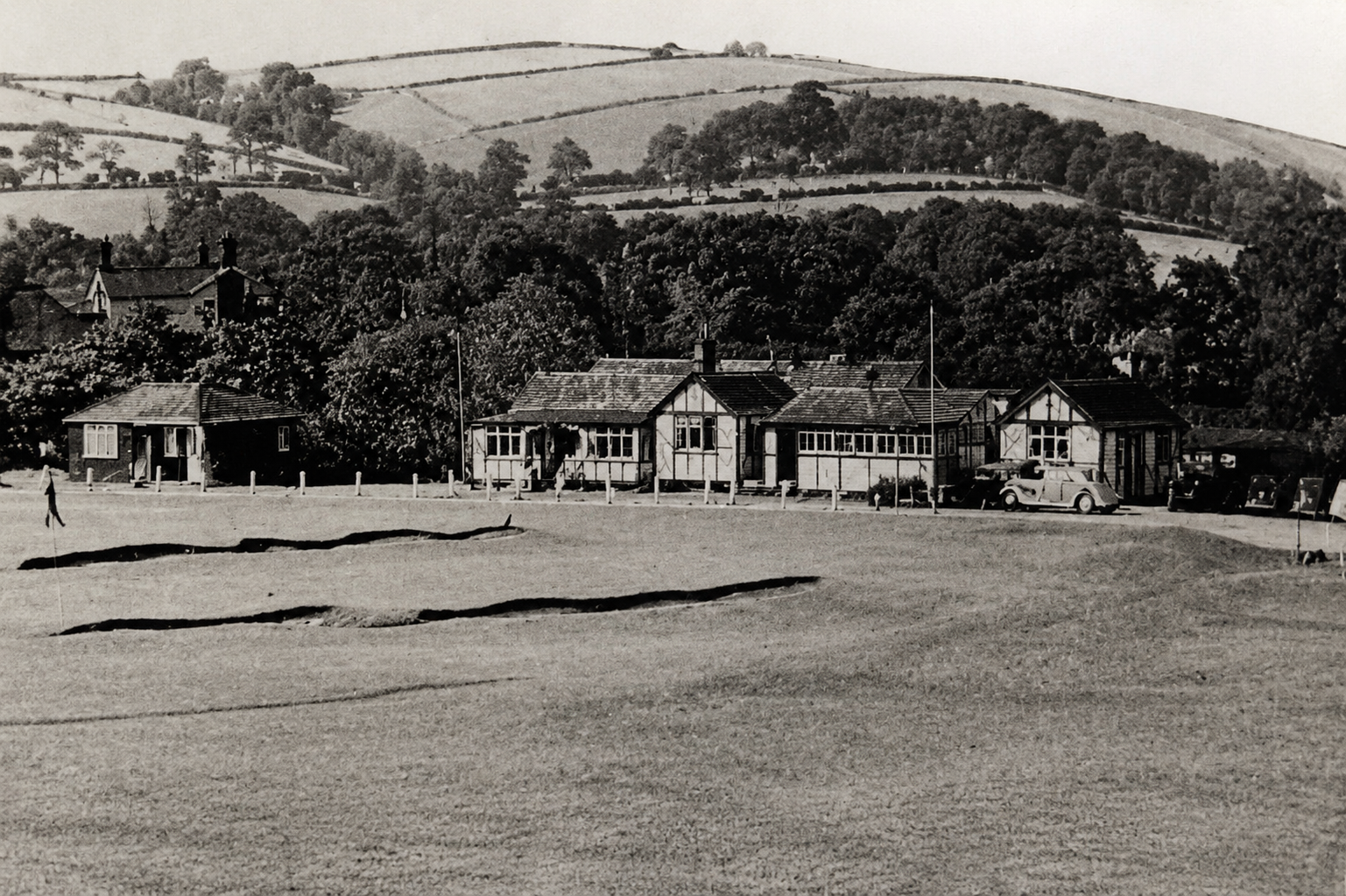
By the beginning of the twentieth century, Sickleholme Golf Club had firmly established itself as one of the leading clubs in the region. Membership continued to grow, the Ladies' Section flourished, and the Club began to play an increasingly important role in Yorkshire golf. Despite the interruption of the First World War, these years laid the foundations for the ambitious expansion that would ultimately transform Sickleholme into an 18-hole course.
Expanding Membership
Sickleholme's reputation grew rapidly during the first decade of the twentieth century. What had begun as a small club soon attracted golfers from across Sheffield and the surrounding districts, many of whom were prominent figures in the city's industrial and commercial life.
Families associated with Sheffield's renowned steel industry, including the Cammells, Firths, Wards, Tyzacks, Flathers, Osbornes and Neills, became regular members and helped establish the Club as one of the most respected golfing venues in the region.
The arrival of the railway made Sickleholme easily accessible from Sheffield, allowing members to travel into the Hope Valley for both competitive golf and social occasions. As membership increased, so too did the Club's ambition and reputation.
A Thriving Social Club
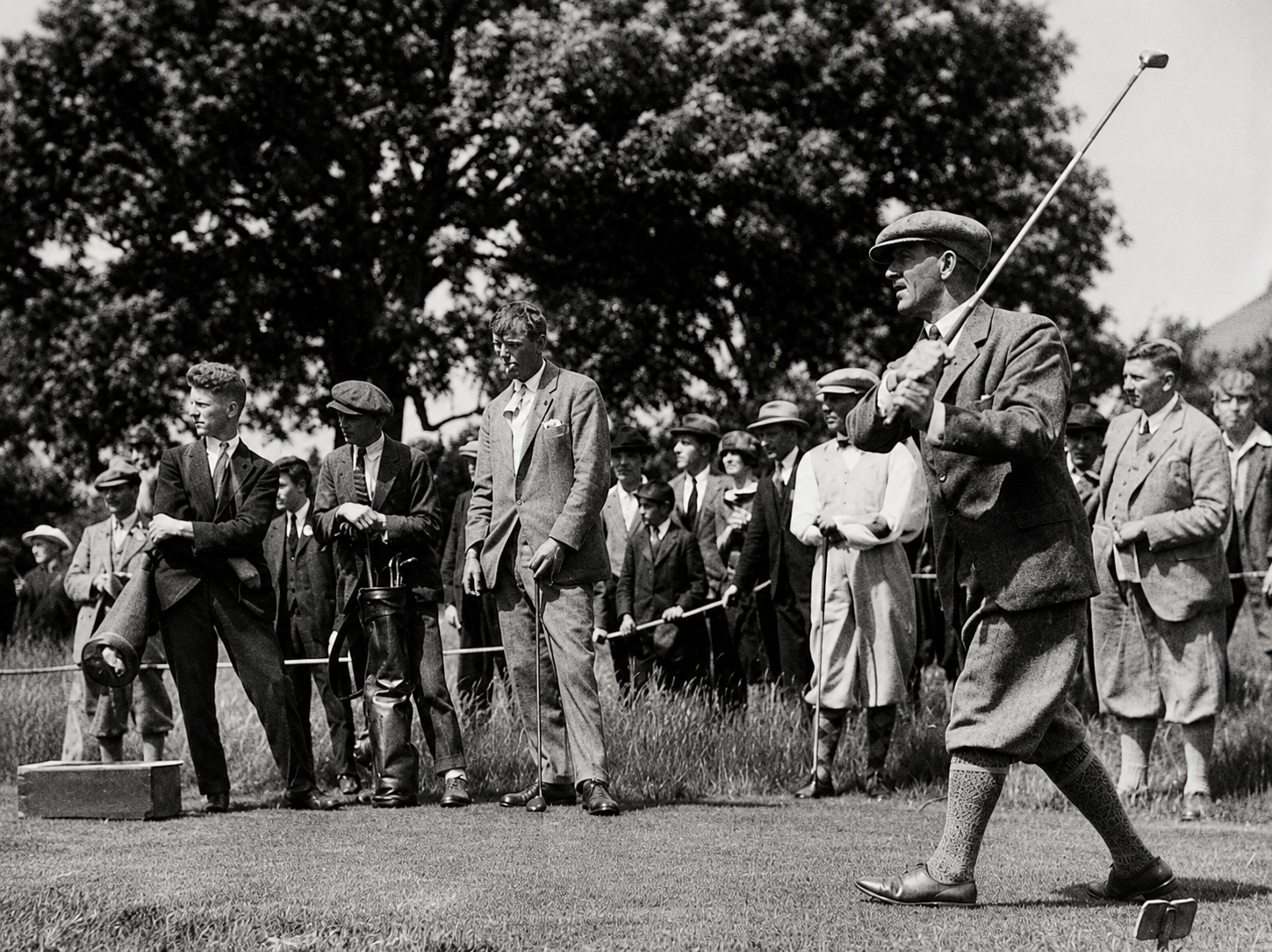
From its earliest years, Sickleholme was far more than simply a golf course. It quickly became a thriving social club where friendships were formed and traditions established.
Annual dinners became important fixtures in the Club calendar, bringing members together to celebrate the season's successes and enjoy evenings of entertainment. Mixed foursomes, friendly competitions and social gatherings helped create a welcoming atmosphere that appealed to families as well as competitive golfers.
These traditions helped shape the character of Sickleholme and established the friendly community spirit that remains an important part of the Club today.
Heritage Note
Long before modern clubhouses and function rooms, Sickleholme's annual dinners and social events were among the highlights of the golfing year for members travelling from Sheffield and across the Hope Valley.
Suggested Images
- Annual Dinner Dance photograph
- Early social gathering
The Ladies' Section
One of Sickleholme's greatest strengths was its commitment to ladies' golf from an early stage in the Club's history.
At a time when many golf clubs offered limited opportunities for women, Sickleholme developed a flourishing Ladies' Section that quickly became one of the strongest in the region. By the years leading up to the First World War, almost a third of the Club's playing membership consisted of ladies—an exceptional figure for the period.
Regular competitions, social events and inter-club matches helped the section flourish, establishing a tradition that would later produce county champions and Yorkshire-winning teams.
The success of the Ladies' Section remains one of the defining features of Sickleholme's history.
Suggested Images
- Early Ladies' Section photograph
- Ladies' Summer Meeting (used later in the history as well)
Helping Shape Yorkshire Golf
As Sickleholme continued to grow, so did its influence beyond the Club itself.
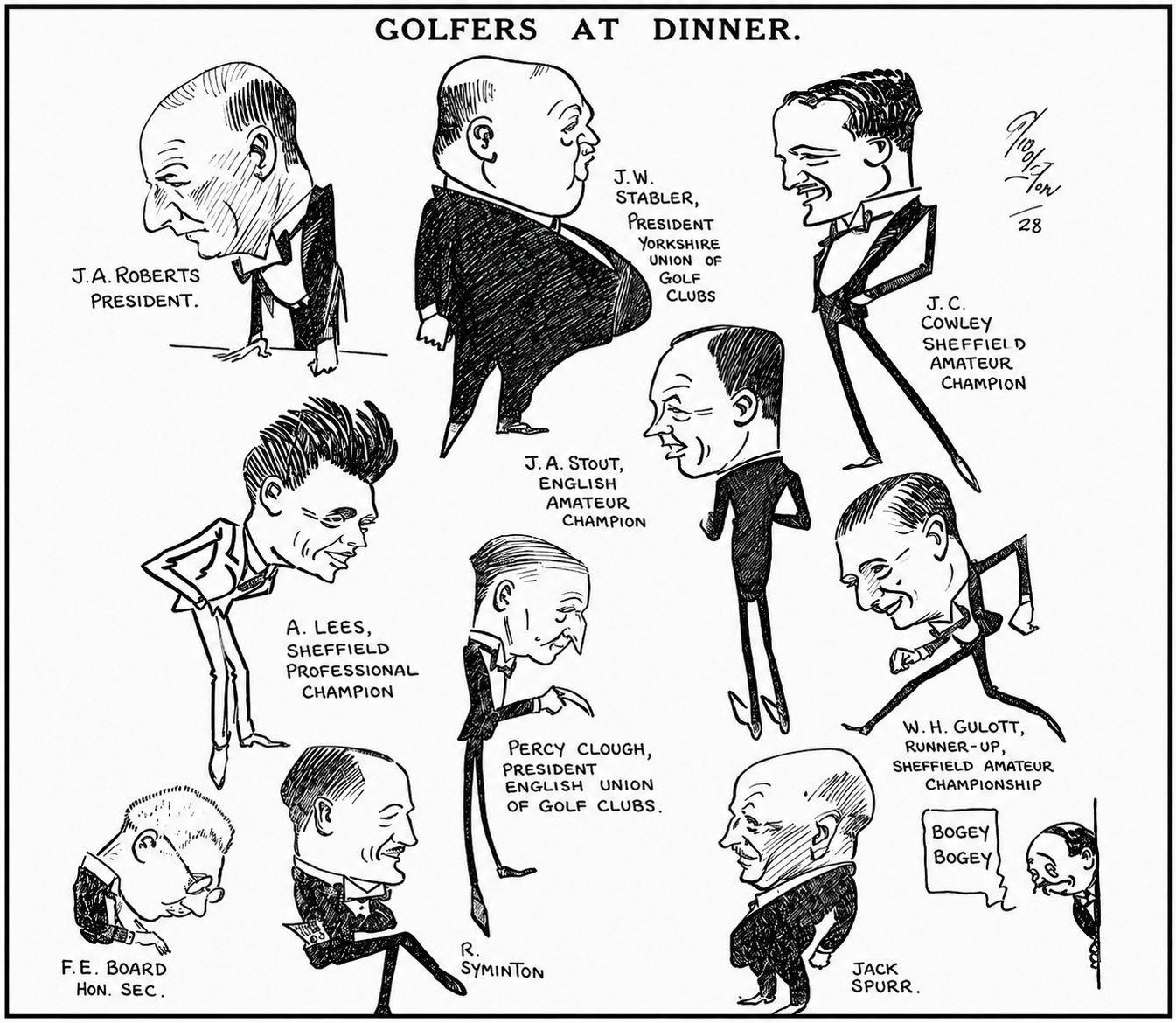
In 1910, representatives from several leading clubs met to establish the Sheffield Union of Golf Clubs, an organisation created to promote competitive golf throughout the region.
Sickleholme member J. W. Stabler was elected as the Union's first President, highlighting the Club's importance within Yorkshire golf. Many other Sickleholme members would later hold senior positions within the Union, reflecting the respect the Club had earned among its neighbouring clubs.
This involvement helped place Sickleholme at the centre of amateur golf in Yorkshire for many decades.
Suggested Images
- Portrait of J. W. Stabler (if available)
- Early Union competition photograph
Looking Beyond Nine Holes
As membership continued to increase, it became clear that the original nine-hole course could no longer satisfy the Club's growing ambitions.
Committee discussions increasingly focused on expanding the course, with negotiations beginning to secure additional land beyond the existing boundaries. Several possible layouts were considered, including land north of the railway and neighbouring farmland.
Although these early plans did not immediately come to fruition, they demonstrated the vision of the committee and their determination to establish Sickleholme as one of Yorkshire's premier golf clubs.
These discussions would eventually lead to the appointment of one of Britain's greatest golf course architects and the creation of the eighteen-hole course enjoyed today.
Suggested Images
- Original course map
- Estate map
The First World War
The outbreak of the First World War in 1914 inevitably affected life at Sickleholme.
Many members answered the call to serve their country, while club activities became more limited during the difficult war years. Despite these challenges, the Club remained active wherever possible and continued to provide a sense of community for those who remained at home.
In 1915, the Club suffered a significant setback when the original pavilion was destroyed by fire. Rather than allowing golf to come to a halt, the local Boy Scouts generously offered the use of their headquarters as a temporary clubhouse until replacement facilities could be provided.
The Club also played its part in supporting the war effort, providing treats and entertainment for wounded soldiers recovering in local military hospitals at Longshaw and Hathersage.
These years demonstrated the resilience and community spirit that would become a defining characteristic of Sickleholme Golf Club.
Suggested Images
- Wartime members photograph
- Pavilion or early clubhouse image
Harry Walker Arrives
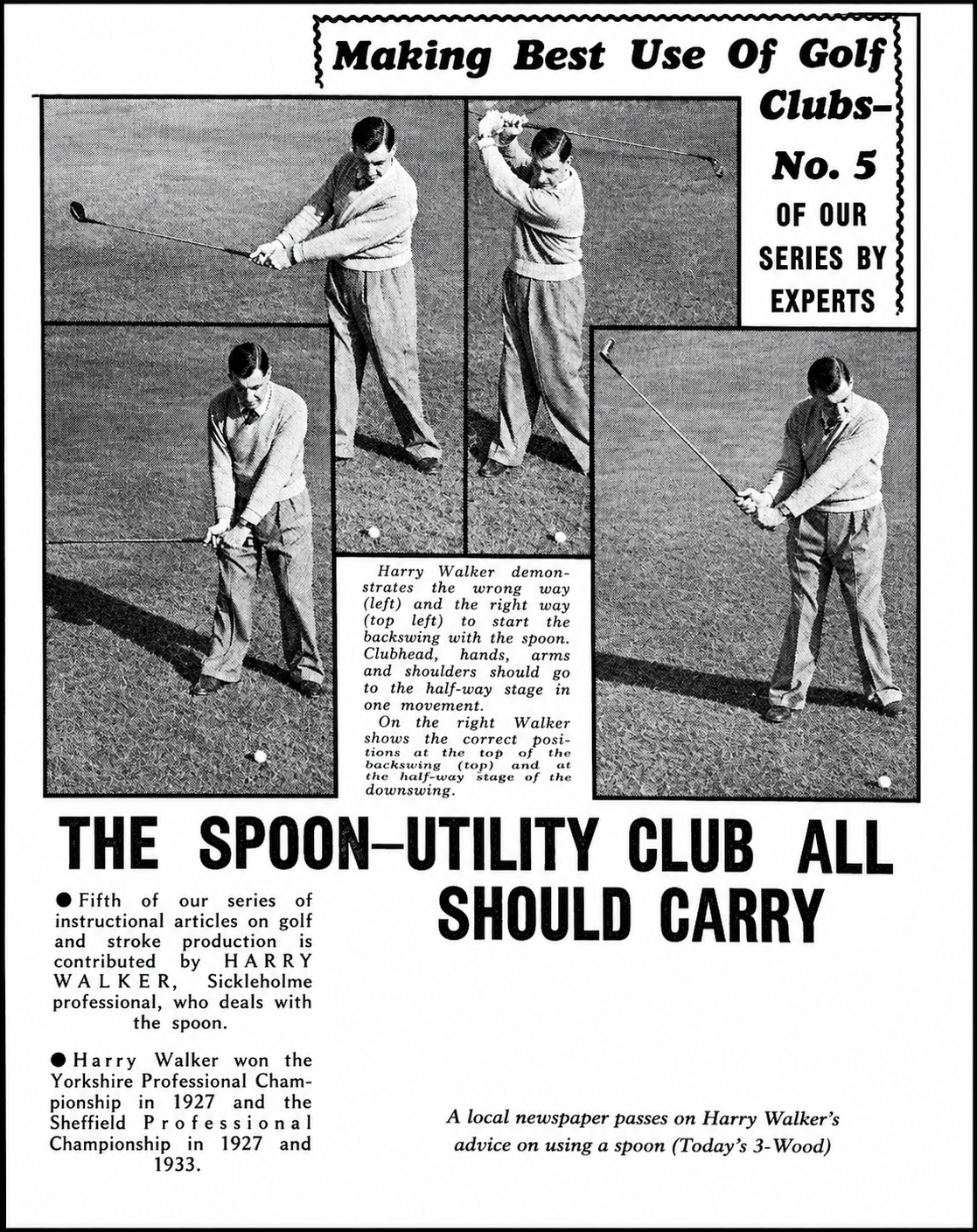
One of the most significant events of this period was the arrival of Harry Walker, who became Club Professional in 1916 following his military service.
Although few could have known it at the time, Walker would become one of the most influential figures in the Club's history. Over the next four decades he established a reputation as one of Yorkshire's finest professionals, renowned for his playing ability, coaching and club-making skills.
His contribution to Sickleholme would shape the Club for generations, and his name remains honoured today through the Harry Walker Cup.
Securing the Club's Future
With the war over, the Club entered one of the most important periods in its history.
Recognising the need to secure its long-term future, members united in 1919 to purchase the original nine-hole course. A limited company was formed, allowing members to invest in the Club and provide the funds necessary to buy the land.
This bold decision ensured that Sickleholme controlled its own future and created the platform for future expansion. It marked the beginning of a new era of confidence and ambition, setting the stage for the appointment of Harry Colt and the creation of the Club's championship eighteen-hole course just a few years later.
Looking Ahead
With ownership of its land secured and membership continuing to grow, Sickleholme was ready to embark on the most ambitious project in its history—the creation of an eighteen-hole championship course designed by one of golf's greatest architects.