

Nature Notes - January 2026
Sickleholme Nature Notes
A current Wine Club advertisement describes January as “a dreary corridor between the last mince pie and the first daffodil”. Far from embracing such a thought, I always view New Year’s Day with enthusiasm, and no little excitement. For me, it represents a new set of natural history records and wildlife experiences. Sadly, however, it has been a slow start on the Sickleholme lists due to the mix of rain, snow and course conditions. This year, it really has been the month that the sun forgot.
The morning of the 16th provided a brief respite (before more rain in the afternoon!) and caused several bird species to become vocal. A Coal Tit was in full song, as were two Mistle Thrushes (one of the earliest of our breeding species), Nuthatches were heard calling and a Great Spotted Woodpecker was very active. Two Buzzards on the same morning must have been glad of any available thermals, as it makes flight much easier for them and reduces the energy exerted.
As usual, Gorse was in flower all month, there were a few Hazel catkins, and on any cold but dry days the extraordinary Winter Gnats could be seen in display flight. Although part of the mosquito family, they are harmless to humans.
Last month’s coverage of the thrush family resulted in a questions about the differences between our resident Song Thrushes and the winter visiting Redwings. In the absence of any current photographs, I have dug out some older images that show the main identification features. You can see the clear cream eyestripe on the Redwings and the rusty red marking which is actually on the flanks and not the wings as the name suggests. The Song Thrush in contrast is a plainer bird and with spots rather that streaks on the underparts.
Let’s hope that February allows more golf and more wildlife sightings.
Bryan Barnacle
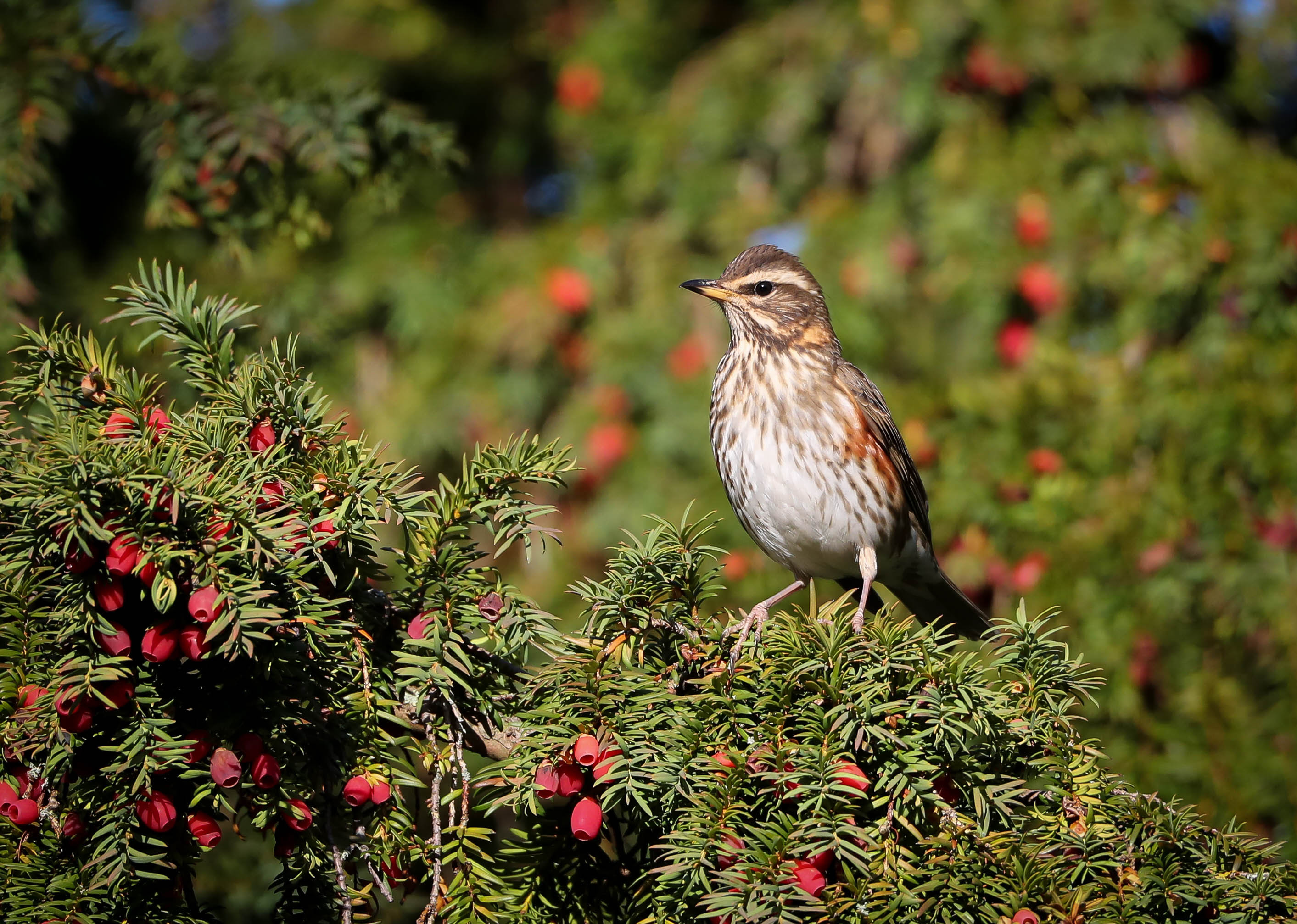
Redwing
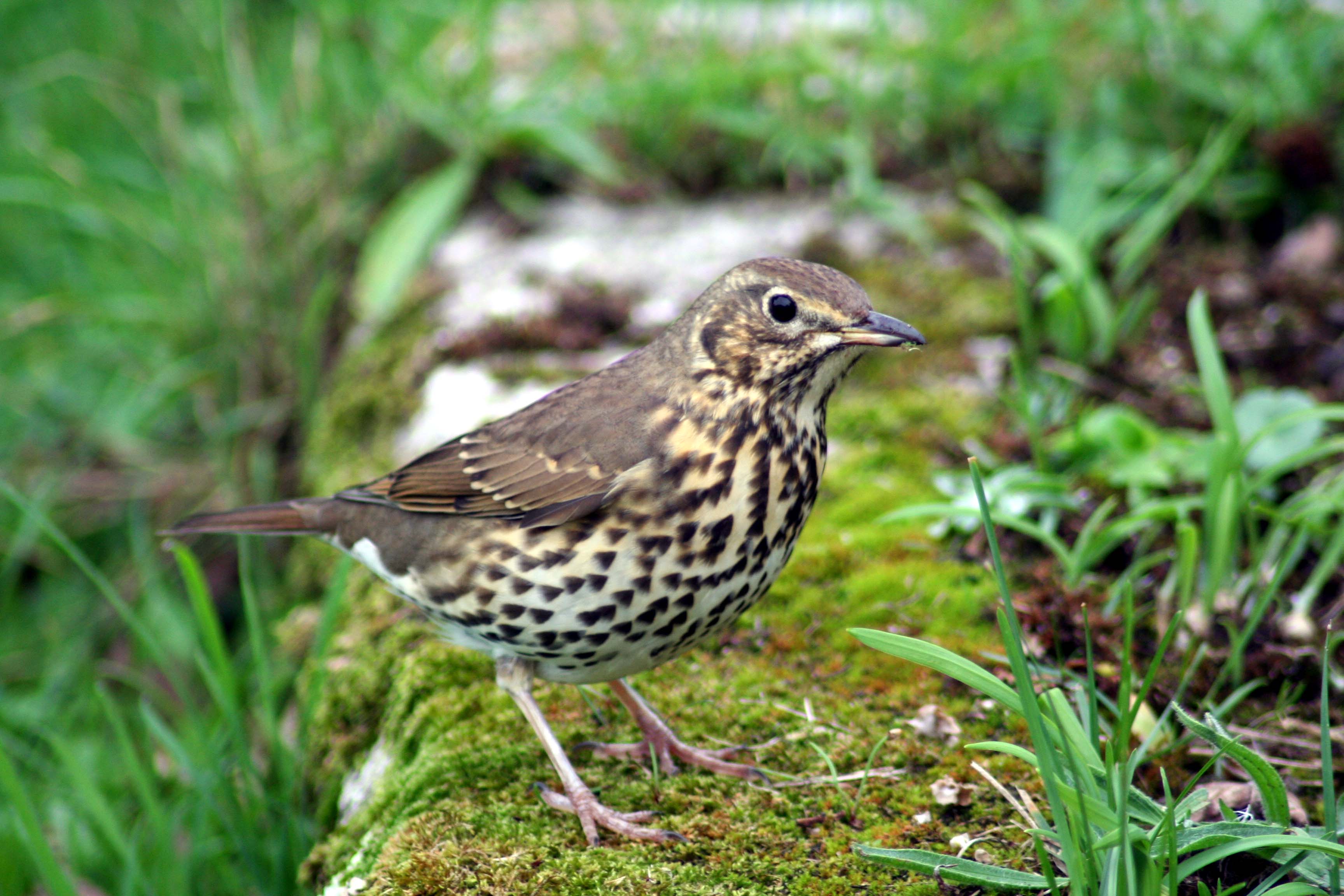
Song Thrush