March Nature Notes
Sickleholme Nature Notes
The first few days of March brought us the long awaited warm, dry spell and what a difference it made. Bees and hoverflies appeared in numbers, and the first butterflies of the year came in the form of Brimstones, Peacocks and Small Tortoiseshells.
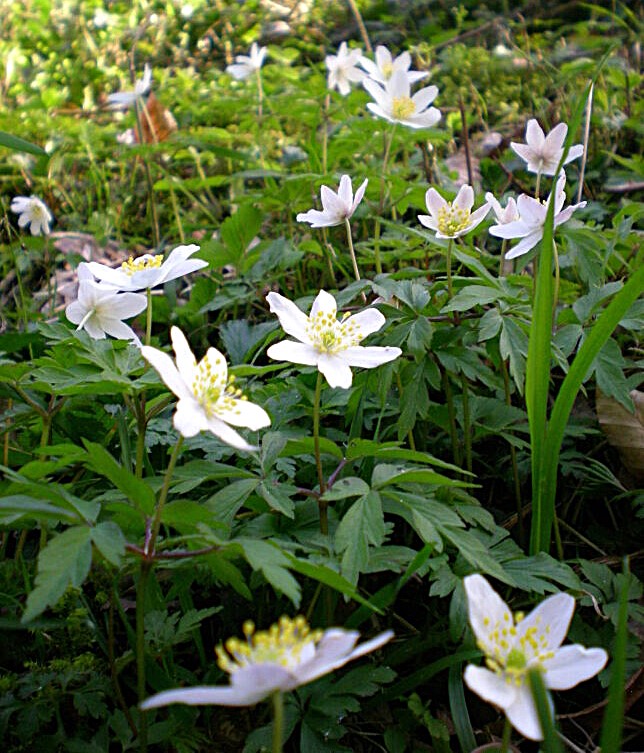
Wildflower species started with Lesser Celandine, Dandelion and Daisy and the boundary hedge from the first tee had good numbers of Dogs Mercury. The latter is an indicator species for woodland and hedgerows of considerable age. Later in the month came our first reports of Wood Anemone. This is a true denizen of Spring which only opens when the sun appears and then leans towards the sunshine. We have a number of patches around the course with one reliable spot being the track down from the 13th tee. One of this month’s photo images shows a small area.
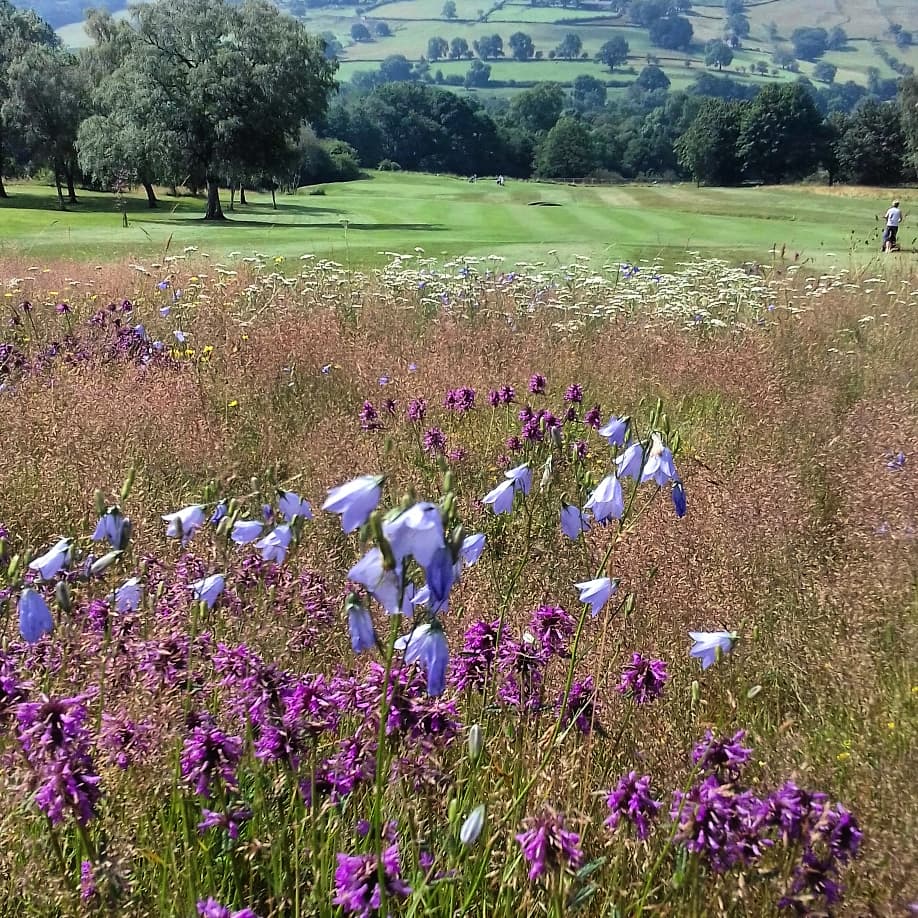
Whilst commenting on our flora, I should mention the bright purple Betony which we see in flower from mid-summer (see image taken on the ninth hole a couple of year back) which is a Sickleholme speciality that we should look after. It was recently “red listed” by the Botanical Society of Britain and Ireland as a species that is seriously reduced and nationally threatened.
The neighbouring Curlew population has returned with a number of members having heard them from the ninth tee area or the East Field. The earliest date given to me was actually the 28 February. Larry Harfoot reported Red Kite sightings, Chiffchaffs were heard singing and the Pied Wagtails were once again on the roof of the barn and carrying nesting materials.
Leaf appeared on many more of our trees and there was a significant influx of Seven-spot Ladybirds with some Harlequin Ladybirds also noted. Just as all of this seemed splendid, the 25th of the month threw all seasons at us with snow, hail, rain, thunder and lightning and bright sunshine. Such is Sickleholme!
Bryan Barnacle