

Club History
Sickleholme History
Sickleholme Golf Club has been part of the Hope Valley landscape for well over a century, and like most good clubs, its story begins long before today’s familiar scorecards and yardage markers.
The club was founded in 1898, at a time when golf was spreading rapidly beyond the coast and into inland England. What attracted those early golfers to Sickleholme was the same thing we value today: natural ground, sweeping views, and holes shaped more by the land than by machinery. Early golf here was a simpler affair, but the foundations of the club were firmly in place by the turn of the century.
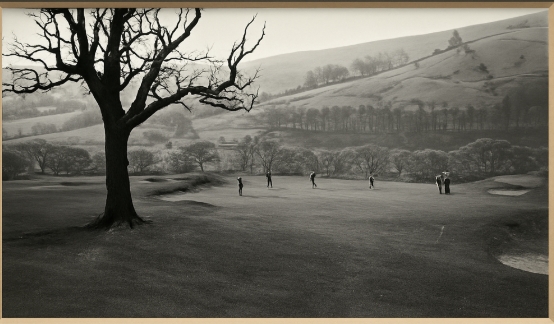
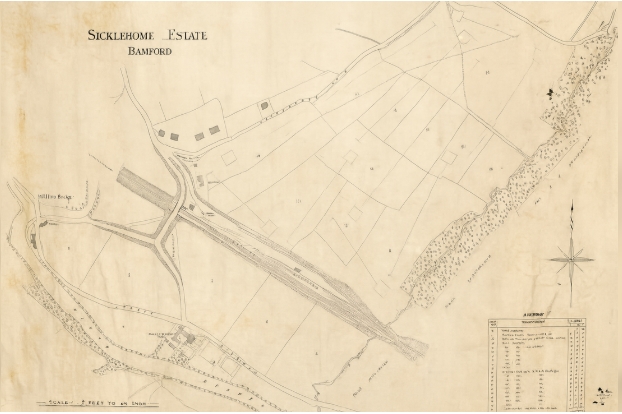
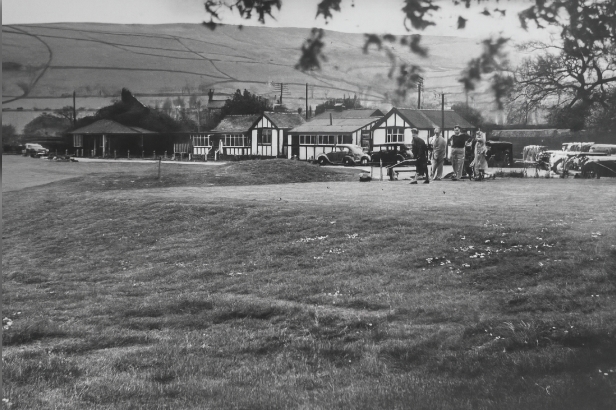
Above Sickleholme Old Clubhouse
As membership grew and expectations changed, the club looked to develop the course further. A major turning point came in 1920, when the celebrated golf course architect Harry Colt was brought in to remodel and expand the layout. Colt’s involvement marked Sickleholme’s transition into a full 18-hole course, a milestone that was officially reached in July 1925. The club later marked this as the opening date of the 18 holes we still enjoy today.
Colt’s influence is subtle rather than showy. Rather than forcing the land to comply with a grand design, he worked with what was already there—natural slopes, clever angles, and greens that reward good positioning. It’s one of the reasons the course remains such a pleasure to play, and such a fair test, nearly a century later.
Sickleholme has also built up its share of stories along the way. One of the most popular concerns Bobby Locke, four-time Open Champion, who is said to have been so taken with the course—particularly the 13th hole—that a painting of it ended up hanging in his home in South Africa. Whether you see it as fact or folklore, it speaks volumes about the impression the course makes on those who play it.